INNOPLATFORM​
DELTA SPRINTS

Chronicling our process of creating MVO’s (Minimum Viable Organizations) that will spark deep innovations

SESSION #0

AN "EXERCISE" IN FRAMEWORK

See More

  • DELTA MASTERCLASS
  • DELTA ROUNDUP

DELTA MASTERCLASS

LESSON FROM THE SCHOOL

OF HARD-KNOCK INNOVATION

Here, we break down all the lessons we picked up during the last Delta Sprint session; from the importance of Analogous Inspiration, to changing our perspective to Ready-Fire-Aim, and an inconvenient truth about the sprint sessions that bears emphasizing.

1. Analogous Inspiration

Ever felt stuck inside a particular way of thinking and doing things, and finding it difficult to stretch your imagination outside of your own little, comfortable box? Analogous Inspiration is a technique in design thinking that takes innovators outside of their context in order to gain a fresh perspective on a particular problem they are trying to solve.

A further exploration of Analogous Inspiration through its extensive application in various scenarios, this video shows its usefulness as a tool in transforming organizations and businesses for the better, which is discussed by Andre and Miguel.

Play Video

In the video above, Miguel mentioned how a group of men improved their bike store services by going to Sephora, of all places. Check out this resource from top design company IDEO containing steps on how to find inspiration outside your comfort zone.

Did you know that the colorful peacock tail led to the creation of computer screens? Discover other animals that inspired groundbreaking innovations in this BBC podcast.

Thinking of new ideas to implement? Analogous research helps! It is the recharge your mind needs to think differently. Take a look at how a hospital team refreshed their patient experience through a trip to the airport.

2. Ready, Fire, Aim!

LinkedIn founder Reid Hoffman once said, “If you are not embarrassed by the first version of your product, you’ve launched too late.” His words reflect the approach commonly used by entrepreneurs called the “Ready, Fire, Aim!” This philosophy posits that in innovating or launching a product, it’s more important to launch it right away and then make iterations that will work best for the target audience.

In this video, Andre and Miguel share their thoughts on how the “Ready, Fire, Aim!” method could enable your team to constantly make iterations and improvements in your product based on feedback and real customer data.

Play Video

Thinking of new ideas to implement? Analogous research helps! It is the recharge your mind needs to think differently. Take a look at how a hospital team refreshed their patient experience through a trip to the airport.

Check out this article on how the “Ready, Fire, Aim!” strategy allows one organization to discover what their customers want, anticipate their needs, and make iterations that eventually made them a leader in their industry.

The concept of “Ready, Fire, Aim!” is not just applicable in business and organizations, but in software development as well. Learn more about how it’s applied in a different “universe”

3. Innovation is Brutal

Even before beginning the actual sprints, the DFT and sprinters got into a heated discussion about the scope, direction, and methodology of the DATA/X team.

This goes to show how sessions around Innovation can get very intense. It’s a far cry from typical corporate meetings where multitasking is the norm and focus is scarce. Hence, innovation sessions demand 100% of participant’s attention, 100% of the time, in order to generate quality feedback. In order to substantially progress.

In this video, Andre and Miguel stressed the importance of being in the moment and shared how they captured a learnable moment of their own, all because they captured a learnable moment of their own, all because they themselves were fully engrossed in the session.

Play Video

Check out this article by Harvard Business Review attesting to the importance of focusing away from distractions through sprints. Bonus: it has case studies that show the consistency of its results, not just in startups but also in large companies.

Why is Innovation so hard for corporations in the first place? Take a look at Edward D. Hess’s two cents on the neuroscientific and social reasons why plus organizations that are doing it right, in this article from Forbes.

DELTA ROUNDUP

MISSED THE LAST SESSION?
HERE'S WHAT WENT DOWN!

Presentation Highlights

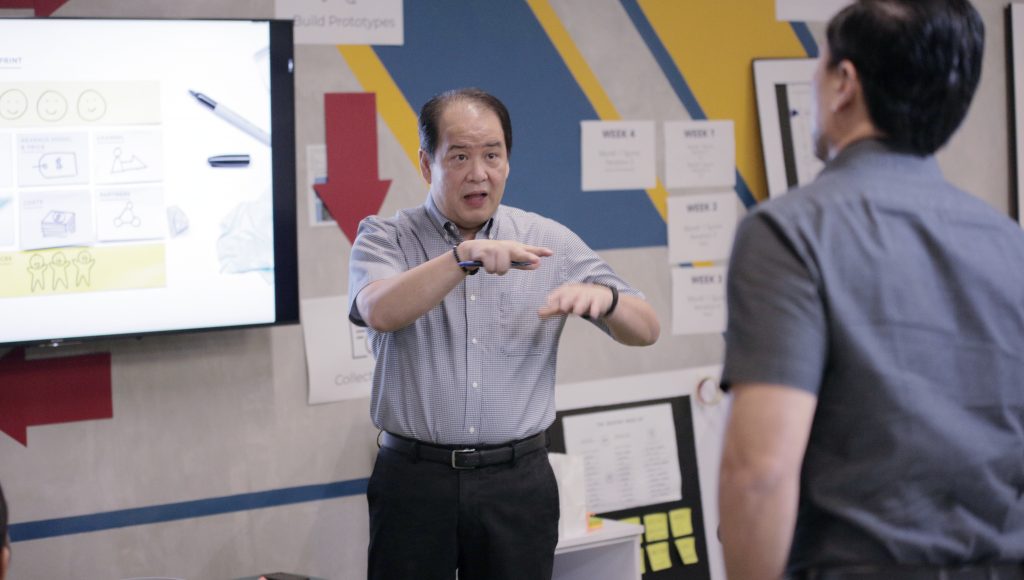
Before the Delta Sprint Teams get down and dirty with their respective InnoPlatform sprints, the Delta Force Team (DFT) led by Andre and Miguel made sure to properly lay the groundwork by introducing a systematic approach to the InnoPlatform-building process.

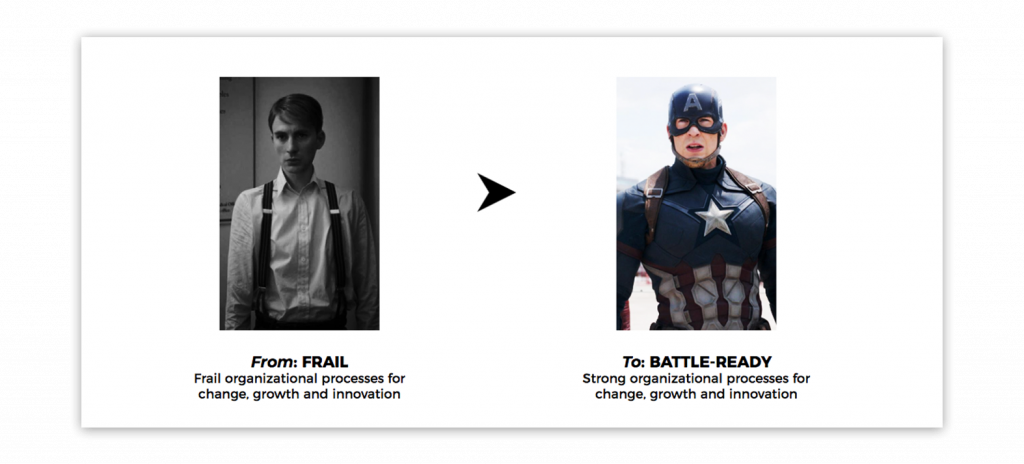
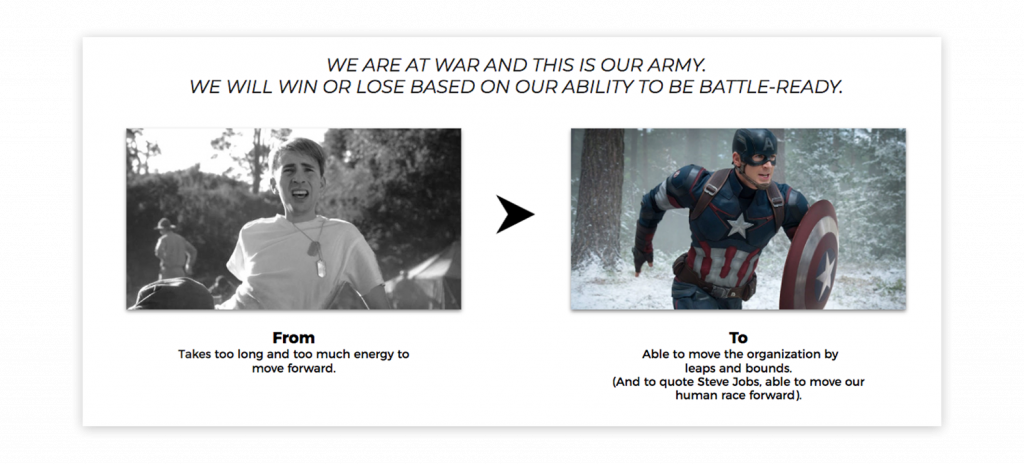
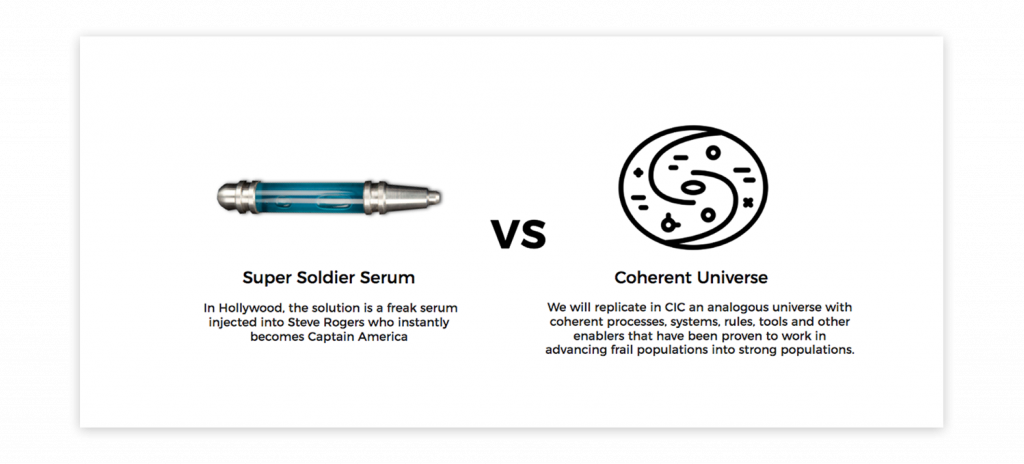
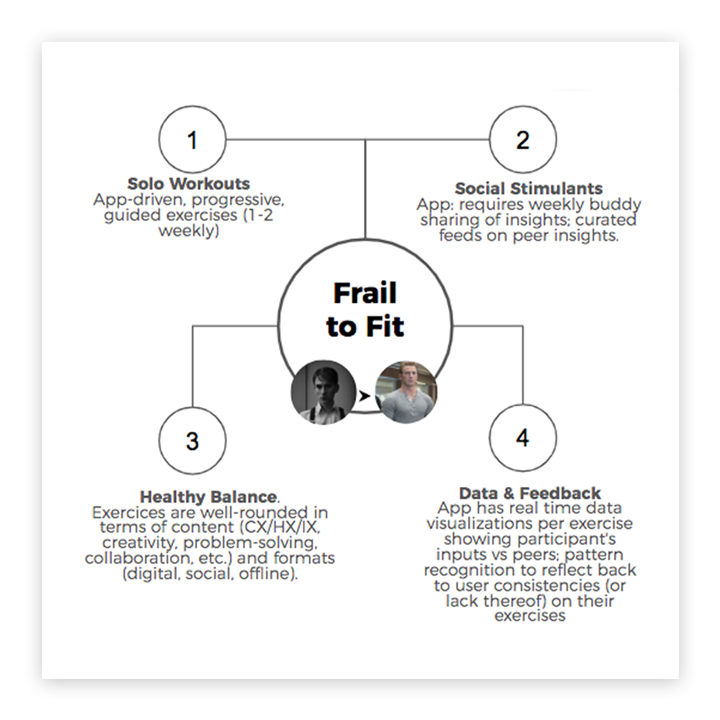
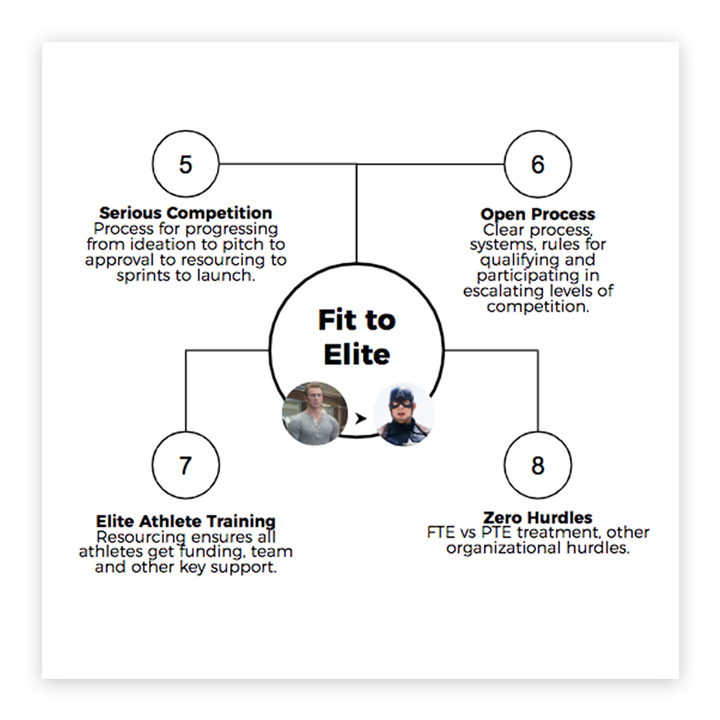
The framework laid out by the DFT consists of three important elements: Delta Challenge, Delta Impact and Delta Output. To better illustrate these, the DFT used a Steve Rogers to Captain America Analogy.

The Delta Challenge is a “From/To” statement that crystallizes the problem or opportunity each team wants to address.

On the other hand, the Delta Impact establishes why it is critical to win the Delta Challenge.

Finally, the Delta Output serves up the solution to the Delta Challenge, which will be delivered as output for each of the sprints.

In order to achieve this transformation from being a frail organization into a fit one and ultimately into an elite Olympian, the DFT came up with a Delta Hypothesis that lays out the steps the organization should take, i.e. the Solutions Map, similar to a workout plan.

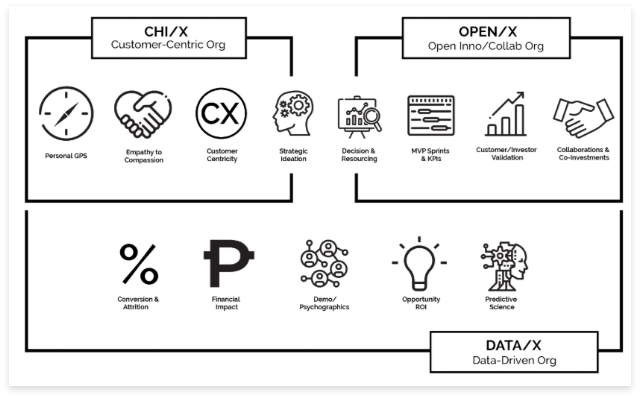
This Solutions Map shows how the three InnoPlatforms—CHI/X, Open/X and Data/X— are tightly integrated.

Feedback Highlights

This being the introductory session of the delta sprints, as expected a lot of points for clarifications were raised in order to proceed with the succeeding sessions in a more focused manner.

Harold wanted to clarify a very important point; Is the DFT, through the InnoPlatforms, trying to introduce innovation to Concepcion as a set of activities that the company must complete? Or do they want to instill innovation in the DNA of the organization? He is concerned that

 with the former, only those who go from “fit” to “elite” can be considered “innovators” instead of empowering everyone to be innovators in their own right.

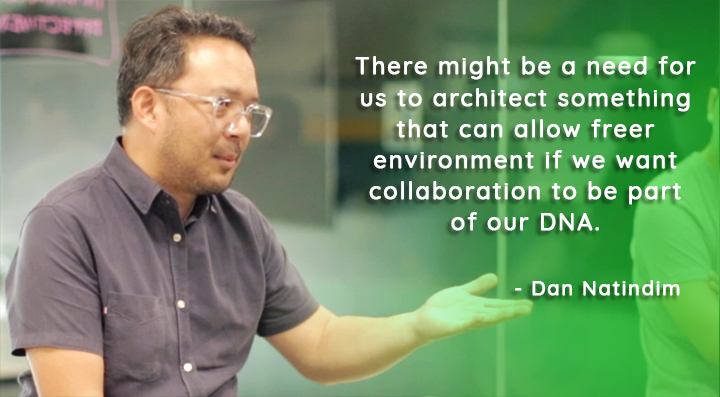
Similarly, Dan wanted to clarify the entire purpose of the Delta Sprints; is it to simply capture learnings throughout the sessions, or to develop processes and platforms? Since the needs of customers constantly change, he’s leaning towards the latter, believing that it will equip Concepcion to organically know what customers need at any given time.

To these points, Andre stressed that the Delta Sprints are indeed about creating systems and processes that will enable the company to be a Customer-centric, Innovative and Data-driven organization.

Meanwhile, concerning the sports analogy of “frail to fit to elite,” Vicky felt like the “why” in doing all of these is not very pronounced. 

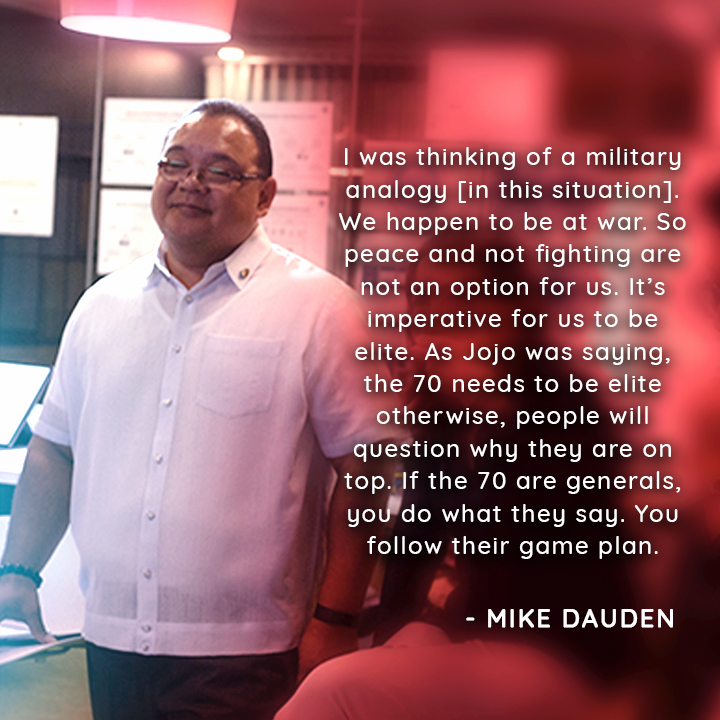
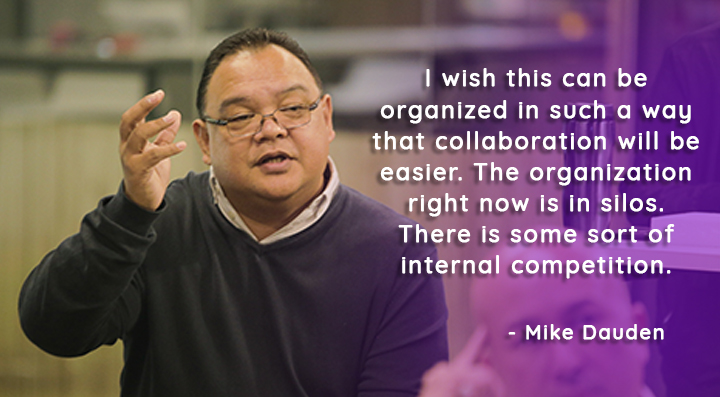
Mike agreed that there has to be a sense of urgency in becoming an Olympian-level organization. Hence, he suggested injecting a military metaphor because “we are in a war right now and we need to train and be battle-ready as soon as possible.”

Key Next Steps

Now that the groundwork has been laid, the sprint teams will begin their deep dive as separate groups in the upcoming sessions.

The DFT will now proceed to recalibrate the initial hypothesis, based on the feedback from the Delta Sprint Teams.

The DATA/X team will decide on their direction and scope. They will also discuss among the group if a data map will be necessary, which they can follow to process the data they harvest. Furthermore, the team might explore and expedite data coming from infrastructure, customer experience and preferences (e.g. temperature), products usage, and IOT.

SESSION #1

POWER-UP YOUR
NEXT PROJECT WITH PROTOTYPES!

See More

  • DELTA MASTERCLASS
  • DELTA ROUNDUP

DELTA MASTERCLASS

LESSONS FROM THE
SCHOOL OF HARD-KNOCK INNOVATION​

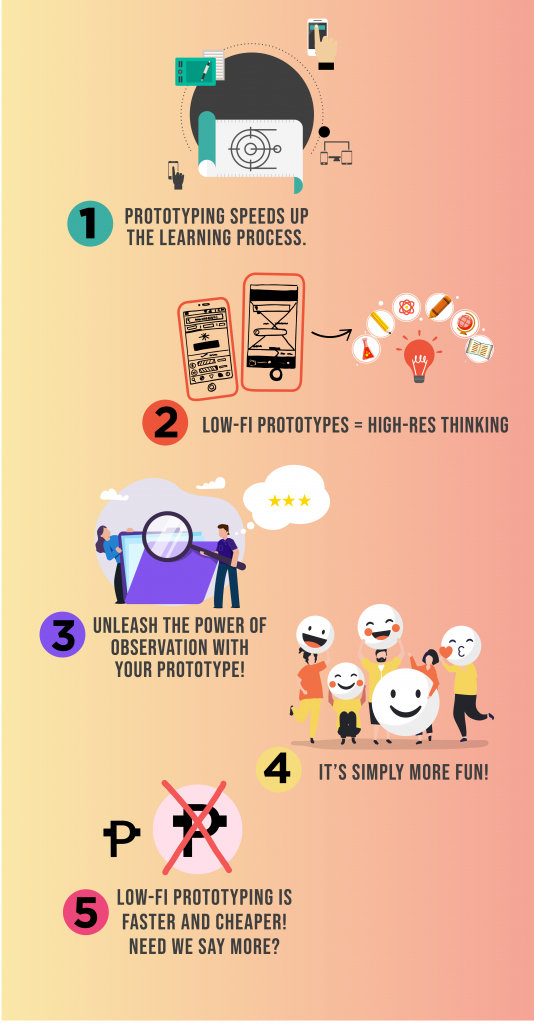
Top 5 Reasons Why Prototyping Should Be Your Next Innovation Pro Move!

3-minute read

We’re all guilty of it. Whenever we’re tasked to present a new concept or idea in front of a team, chances are we resort to using the most tried and tested (and overused!) tool in the history of presentations–PowerPoint.

While PowerPoint decks are not necessarily a bad idea, have you ever felt that nagging feeling after a presentation that you didn’t really quite draw out the kind of feedback you actually needed? 

Enter, Prototyping. Discover the reasons why this technique has become the go-to method of learning in the world of design thinking!

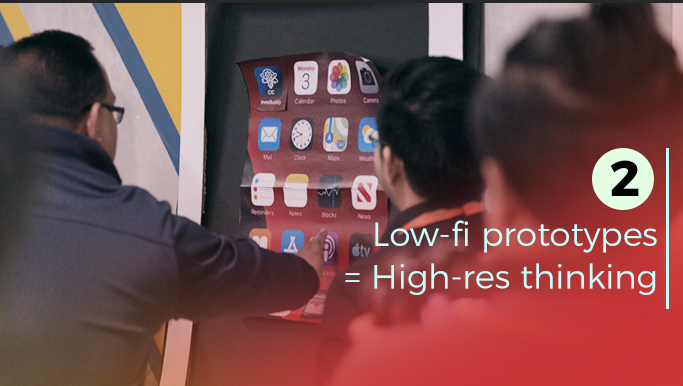
By having people experience an idea through a prototype, they are able to grasp concepts faster, enabling them to give higher-order, more substantial feedback instead of dwelling too long on clarificatory questions.

Due to their rudimentary and therefore less intimidating nature, low-fi prototypes have been proven to encourage more valuable feedback versus polished ones.

When you get people to move through your prototype, you are able to gather feedback not just through verbal discussions, but also from how they physically respond and interact with your prototype.

Prototypes are more visceral; hence they work better at capturing people’s attention versus PowerPoint presentations. Just observe how much more attentive people get when you use prototypes in your next innovation session!

Finance people, rejoice! Because prototyping doesn’t require a lot of budget to do! If that isn’t enough reason to try out prototyping, we don’t know what is.


Learn more about the importance of Prototyping in this video!

Play Video
Play Video

Great news! Prototyping isn’t just for designers or innovators. In fact, the more diverse the team, the better, as explained in this video by Harrison Metal.

Beware though! Because according to Interaction Design, there are six common pitfalls to prototyping. Err on the safe side by reading this article.

DELTA ROUNDUP

MISSED THE LAST SESSION?

HERE'S WHAT WENT DOWN!

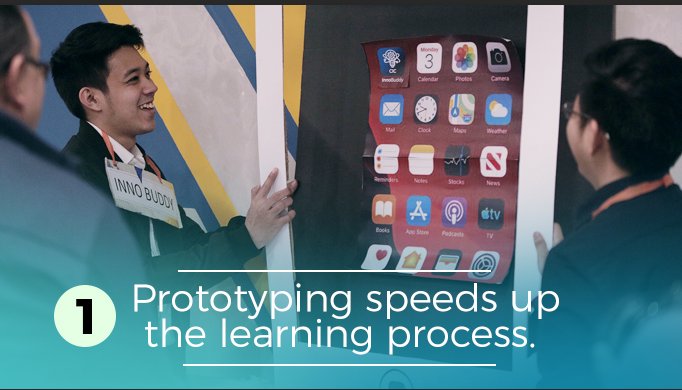
The Delta Sprint Teams literally got their first sight, taste and feel of the proposed innovation process within Concepcion through an interactive prototype of InnoBuddy, designed by Miguel of the Delta Force Team.

Delta Sprinters! Meet InnoBuddy, the wonder app that will get people to collaborate and innovate!

InnoBuddy provides solo workouts that will enable the would-be innovators to observe customers better…

Because as they say, “The customer is king.” Or in this case, queen!

The insights gathered from customers can then be stored inside InnoBuddy’s nifty data bank.

Bada bing bada boom! Innobuddy turns the data into maps and images which innovators can discuss during their peer-to-peer session.

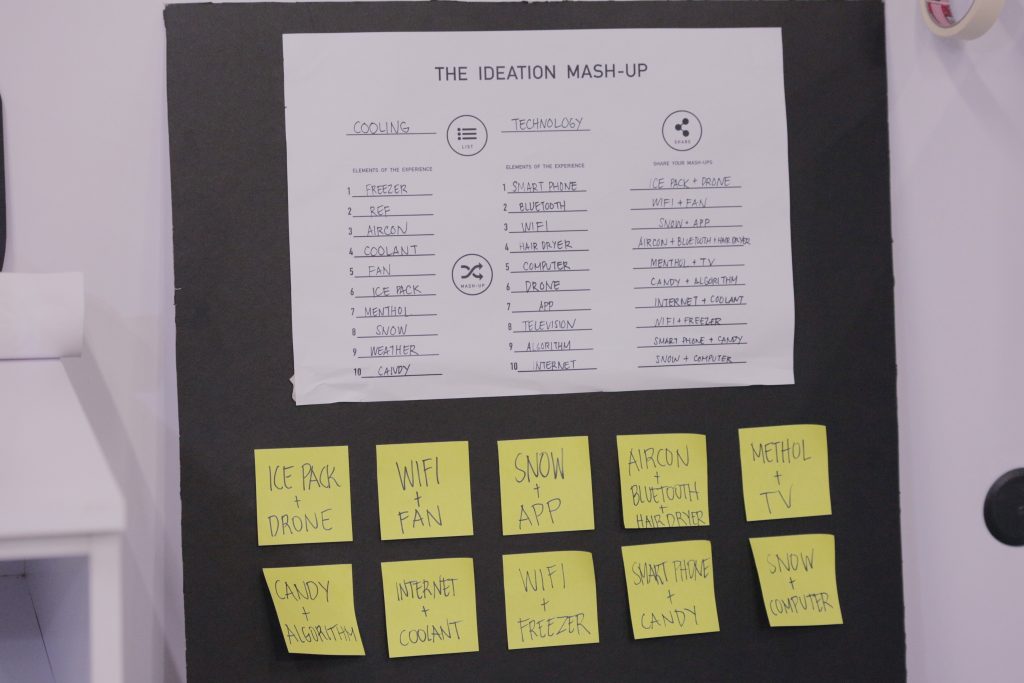
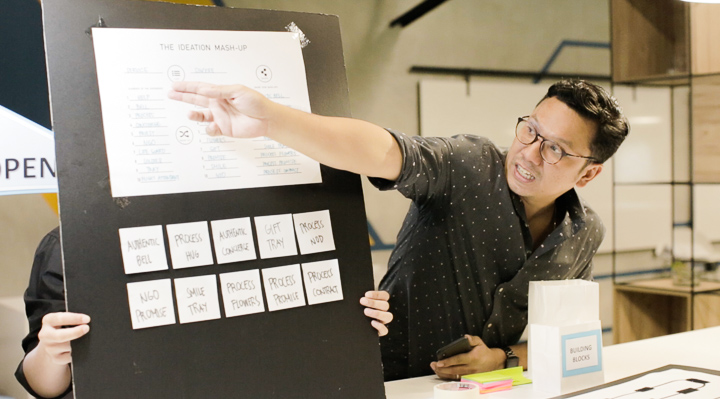
Need a jolt of inspiration? InnoBuddy offers up an Ideation Mashup which pairs seemingly disjointed words and ideas. “Snow” and “App”, anyone?

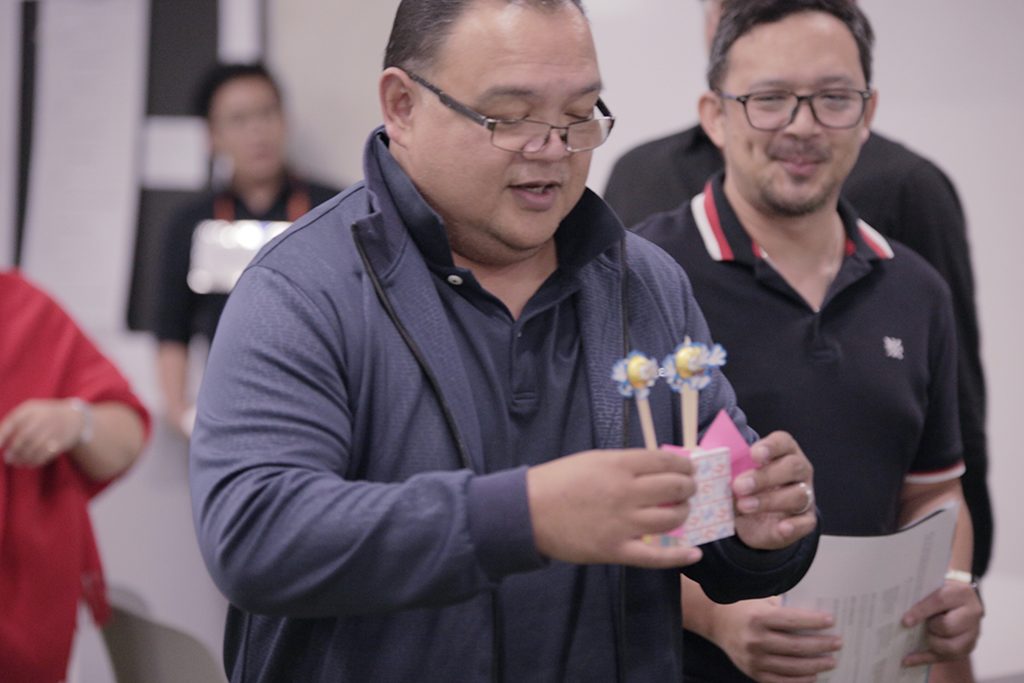
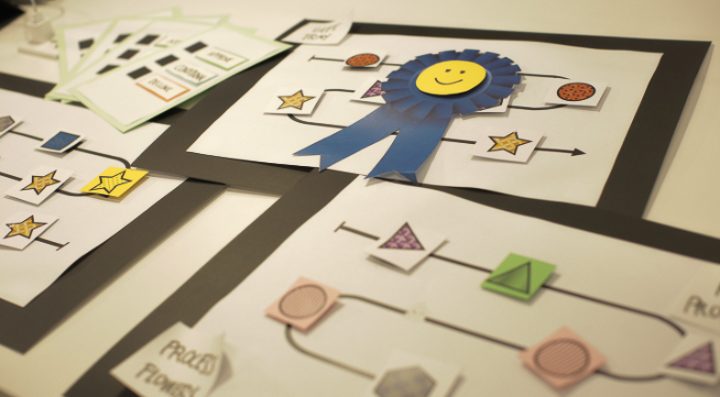
Now it’s up to the aspiring innovators to build a low-fi prototype inspired by the mashup. Time to let imaginations run wild!

Find out what customers can say about your prototype!

Mike: “You’re not gonna believe this!”

The insights gathered from the customer can again be deposited into the InnoBuddy’s data bank. Because every bit of data counts!

Did you know that InnoBuddy also acts like Tinder, but for innovation? You will be matched with like-minded innovators who you can ask out on a “date”!

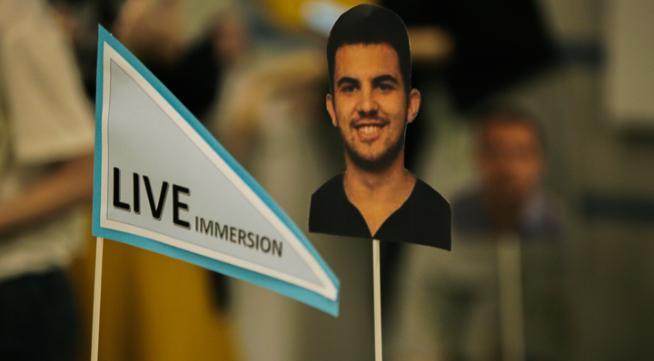
And by date, we mean Live immersions where people can discuss their prototypes-in-progress!

This whole process of prototyping and collecting data and feedback from customers and peers makes up what is called the Business Blueprint. Eureka!

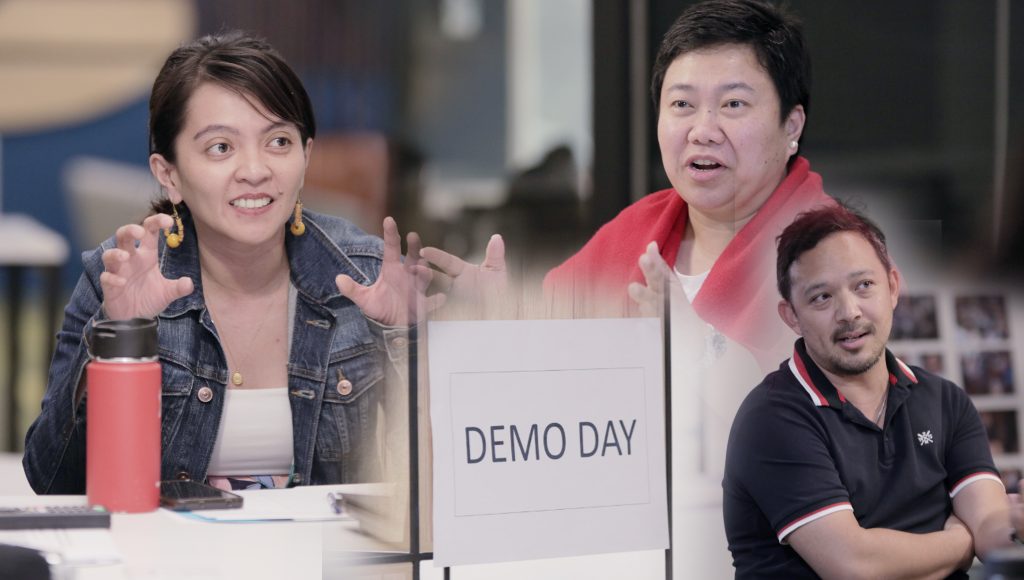
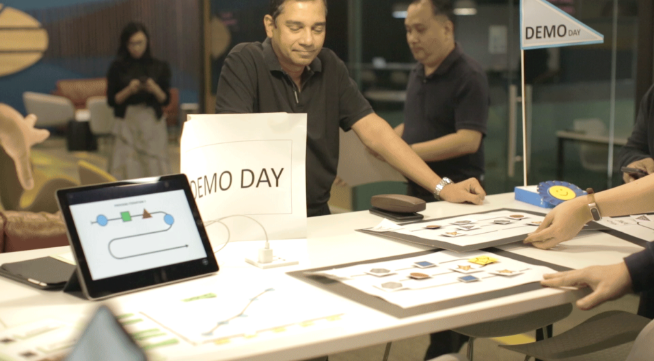
Time to show off those snazzy prototypes on Demo Day!

Innovators will have to impress the ”sharks” during that day to get their ideas funded!

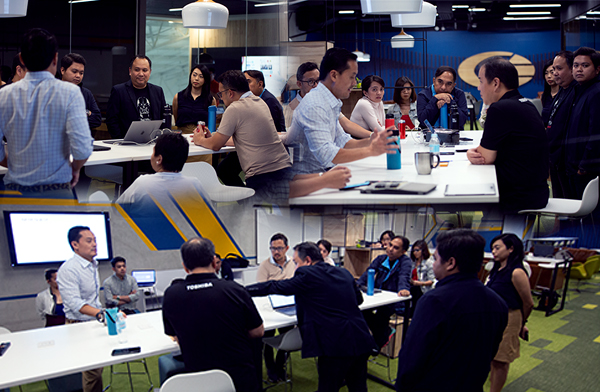
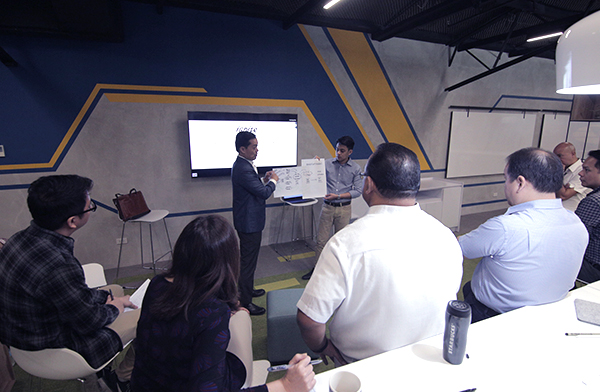
After the prototype demonstration, the Sprinters took time to themselves to reflect on their insights in solitude, and then gathered around to discuss their feedback on the proposed innovation process.

Another day, another productive sprint session!

SESSION #2

INNOVATION NEVER STOPS!

See More

  • DELTA MASTERCLASS
  • DELTA ROUNDUP

DELTA MASTERCLASS

LESSONS FROM THE SCHOOL OF HARD-KNOCK INNOVATION​

Three Reasons Why Companies Fail in Innovation

Don’t fall into these common innovation traps.


1. Looking at Innovation as a process instead of as a way of life.

Make no mistake. Innovation is not about the end product. Rather, it is about the continuous cycle of putting something out, learning from it and iterating accordingly. It’s about constantly asking yourself, “How else can you improve this?” Ideate. Analyze. Enhance. Repeat!

2. Practicing speed instead of agility.

Speed is about getting to a finish line (i.e. a product launch) at the fastest time possible, unmindful of what’s happening out there. Thinking of innovation as a KPI that one needs to get over and done with as soon as possible will result in superficial, unsustainable output. Instead, one has to practice agility when innovating—the ability to react and respond accordingly to unforeseen circumstances—in order to produce solutions that actually matter.

3. Ending innovation at launch instead of continuously iterating.

Real innovators don’t rest on their laurels after launch day, but rather continuously improve their solutions thereafter. They treat innovation as an ongoing process— always thinking about what’s next, learning with every move, and putting hard-learned lessons into practice.

Here’s a deep dive on why innovation is a never-ending cycle of iterations and improvements:

Play Video

Leaders must-reads:

This company believes that innovation is not an end goal in and of itself, but instead puts it at the heart of their operations. Read more on how they effectively use innovation to improve their outputs that led to their continued growth.

Is your company agile? Find out what agility really takes in this article by Forbes.

DELTA ROUNDUP

MISSED THE LAST SESSION?

HERE'S WHAT WENT DOWN!

InnoBuddy returns!

This time, right at the palms of our sprinters.

In this session, InnoBuddy introduced a scenario: Customers are not being serviced on time because there are no spare parts! Oh, no!

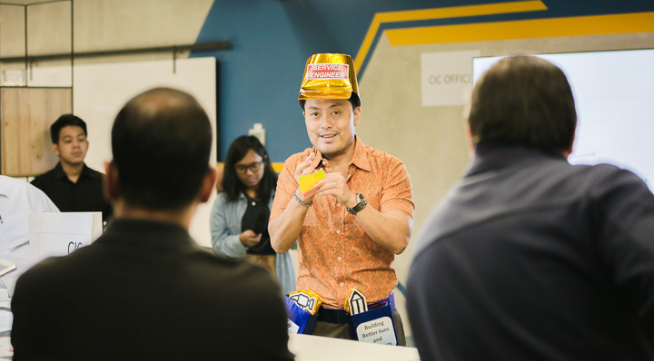
You’re friendly neighborhood service engineer is here! Ask him about what happened!

After gathering much needed data from the service engineer, the sprinters then stored the info into InnoBuddy data bank.

Through some nifty algorithm, InnoBuddy matches like-minded people and sets them on a peer-to-peer discussion.

Great minds DO think alike!

Now it’s time to come up with solutions! Perhaps InnoBuddy’s crazy idea mash-ups can help!

Sprinters, don’t be shy! Pick an idea to build up on and share a photo of your work-in-progress!

Let’s hear the service engineer’s two cents on the first drafts!

Iterate, iterate, iterate. Oh, and did we mention iterate?

Ping! Sounds like an alert from InnoBuddy. You’re invited to an upcoming live immersion!

It’s a great opportunity to pick the brains of potential collaborators!

Time again for the magic word: Iterate!

Here comes Demo Day! The moment of truth. Will their ideas be accepted fully, with conditions, or rejected altogether?

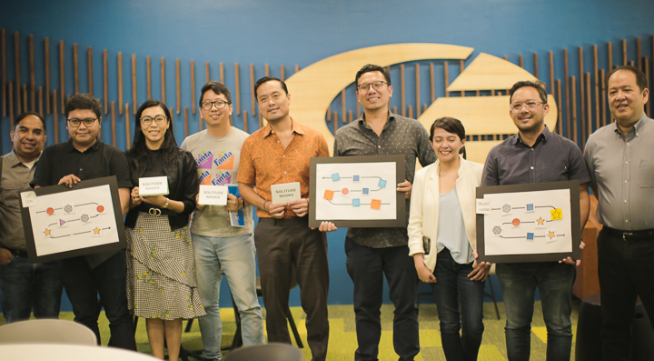
Happy day for the group with the best prototype!

Let’s see what the sprinters have to say about the exercise and the organization’s overall capacity for innovation.

Outstanding insights indeed from the brilliant leaders of Concepcion!

Copyright. Ignite Media.